Маникюр На Дому in 2024: what's changed and what works
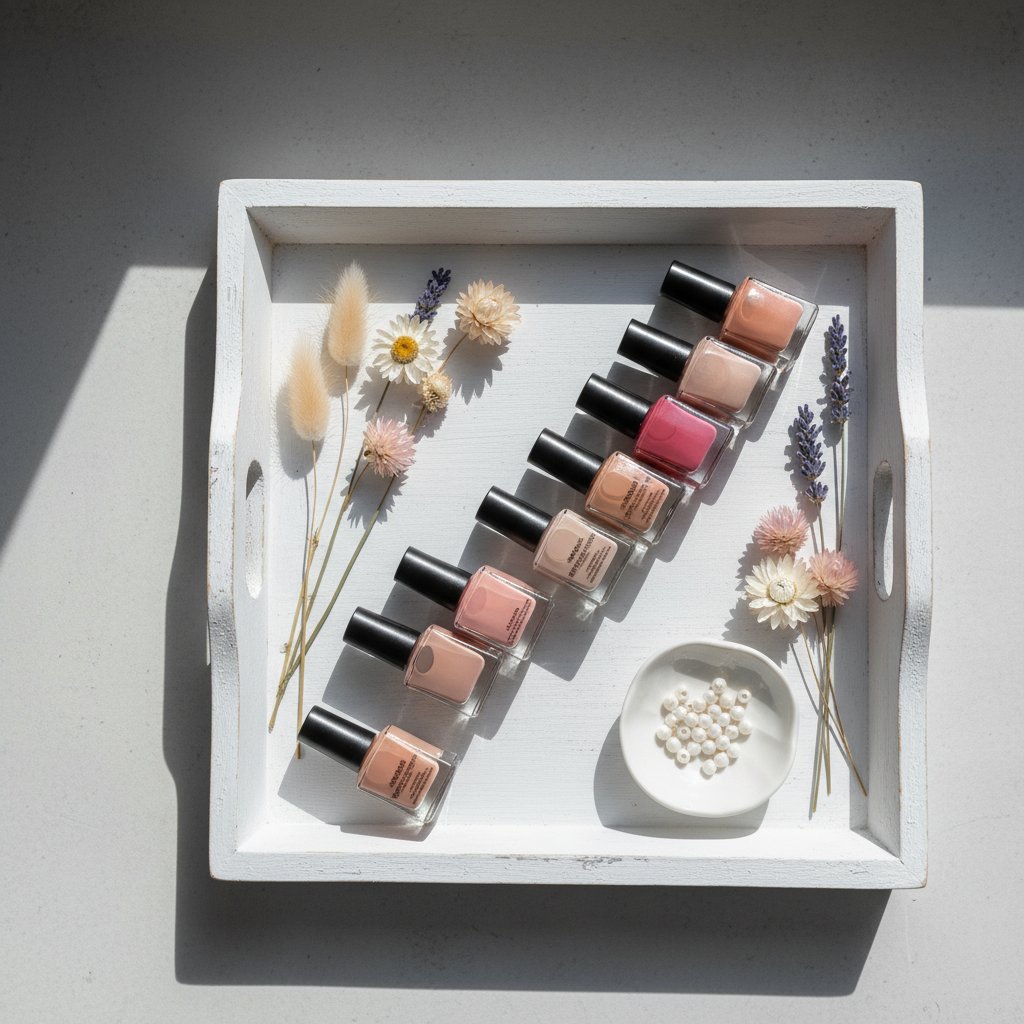
The home manicure game has completely transformed since 2024 rolled in. What used to be a side hustle for nail techs has evolved into a legitimate business model with its own set of rules, tech tools, and client expectations. If you're running an at-home nail service or thinking about starting one, the landscape looks nothing like it did even two years ago.
Here's what's actually working right now and what you need to know to stay competitive.
What's Changed (and What Actually Works) in 2024
1. Booking Apps Have Become Non-Negotiable
Remember when clients would text you at 11 PM asking for availability? Those days are done. About 78% of home-based nail techs now use scheduling software, and clients have come to expect it. Apps like Fresha, Booksy, and Square Appointments have become the standard, not the luxury. Your phone number alone doesn't cut it anymore.
The real shift isn't just about convenience—it's about looking legitimate. Clients scroll through your booking page the same way they'd judge a storefront. If they can't book instantly at 2 AM while watching Netflix, they're moving on to someone who offers that option. The techs who resisted this change? They're seeing their client lists shrink while wondering why.
Pick a platform that sends automatic reminders. No-shows dropped by roughly 40% for most home manicurists who implemented text confirmations 24 hours before appointments. That's money back in your pocket.
2. The Gel-X Revolution Changed Everything
Traditional acrylics aren't dead, but Gel-X extensions have taken over the home service market. They're faster, smell better (crucial when you're working in someone's living room), and require less equipment to haul around. The application time dropped from 90 minutes to about 45 minutes for a full set.
Here's why this matters for mobile services: less time means more appointments, and the lack of that acrylic smell means clients aren't opening windows in January. One tech in Chicago reported fitting in five clients per day instead of three after switching her technique. That's an extra $300-400 weekly without working longer hours.
3. Pricing Has Finally Caught Up With Reality
The days of charging $30 for a gel manicure because you're "just mobile" are over. Successful home-based techs now charge 10-20% more than salons, not less. Why? Because they're offering convenience that people will actually pay for. A basic gel manicure now runs $45-65 for at-home service in most cities.
The techs who kept bargain-basement pricing? They're burned out and broke. Your clients aren't looking for the cheapest option—they're looking for someone reliable who comes to them. Own that value. The mobile nail artists making $80K+ annually all made this pricing shift in the past 18 months.
4. Instagram Stories Beat Feed Posts Now
Your carefully curated Instagram grid matters less than your Stories game. The algorithm changed, and the techs getting new clients weekly are the ones posting behind-the-scenes content, quick nail art tutorials, and real-time availability updates in Stories. Three Stories per day beats one perfect feed post.
Show your setup process. Share your drive to appointments. Film the transformation in real-time. This raw content converts better than polished photos because it builds trust faster. One nail tech in Austin gained 200 local followers in a month just by showing her "mobile kit organization" in Stories. Half of them became paying clients.
5. Specialized Services Win Over "Everything" Menus
Trying to offer every nail service under the sun? That's actually hurting you. The most booked home manicurists in 2024 picked a specialty and owned it. Russian manicures, intricate nail art, or natural nail care—pick your lane and become known for it.
This isn't about limiting income; it's about attracting ideal clients. When you're "the Russian manicure person," you can charge $75-90 instead of competing with every basic gel mani provider at $40. You also spend less on supplies because you're not stocking products for fifteen different services you barely perform.
6. Client Retention Tools Actually Matter
The real money isn't in constantly finding new clients—it's in keeping the ones you have. Successful mobile techs now use simple CRM systems to track client preferences, send birthday discounts, and note details like "prefers shorter nail beds" or "allergic to certain acetone brands."
This personal touch is what separates fully-booked calendars from sporadic appointments. One simple Google Sheet with client notes can increase rebooking rates by 30%. When someone feels remembered, they don't shop around. They just text you when they need their nails done again.
The at-home manicure business isn't what it was three years ago, and that's actually great news. The techs who adapt to these changes—better booking systems, smarter pricing, focused services—are building sustainable businesses that don't require 12-hour days. The ones clinging to old methods are wondering why their phones stopped ringing. Which side of that divide do you want to be on?